Zara Sullivan · 17 September 2026
Eastern Outskirts Development Inspires Partnerships Linking Heritage Exhibits with School Programs and Sustainable Farming Techniques
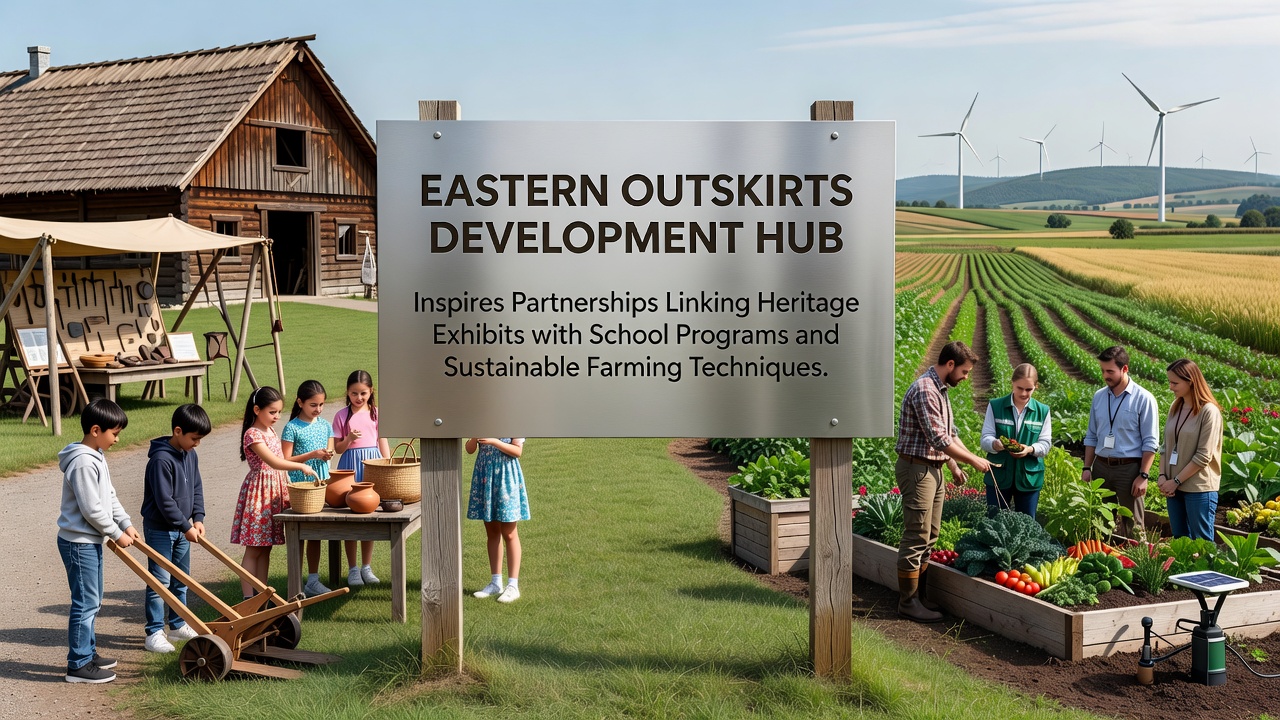
Development along the eastern outskirts of Ostfeld has prompted collaborations that connect local heritage exhibits directly to school curricula while incorporating sustainable farming methods into educational and community activities, and these initiatives gained momentum through coordinated planning sessions that began in early 2025.
Regional records indicate that construction projects covering approximately 450 hectares have preserved several 19th-century farmsteads and archival collections, and planners integrated these sites into outreach efforts that pair exhibits with classroom modules on local history and environmental stewardship.
Partnership Formation and Key Participants
Local authorities worked alongside educational institutions and agricultural cooperatives to establish formal agreements, and one such arrangement signed in late 2025 brought together three schools, two heritage centers, and five farming operations under a shared framework that allocates resources for joint programming.
Data compiled by the regional planning office shows participation from over 1,200 students across participating schools during the first half of 2026, while farm visits and exhibit workshops accounted for 68 percent of scheduled activities.
Heritage exhibits now feature interactive displays on traditional crop rotation and soil management practices that align with contemporary techniques such as cover cropping and reduced tillage, and these elements draw from documented practices preserved in municipal archives.
Integration with School Programs
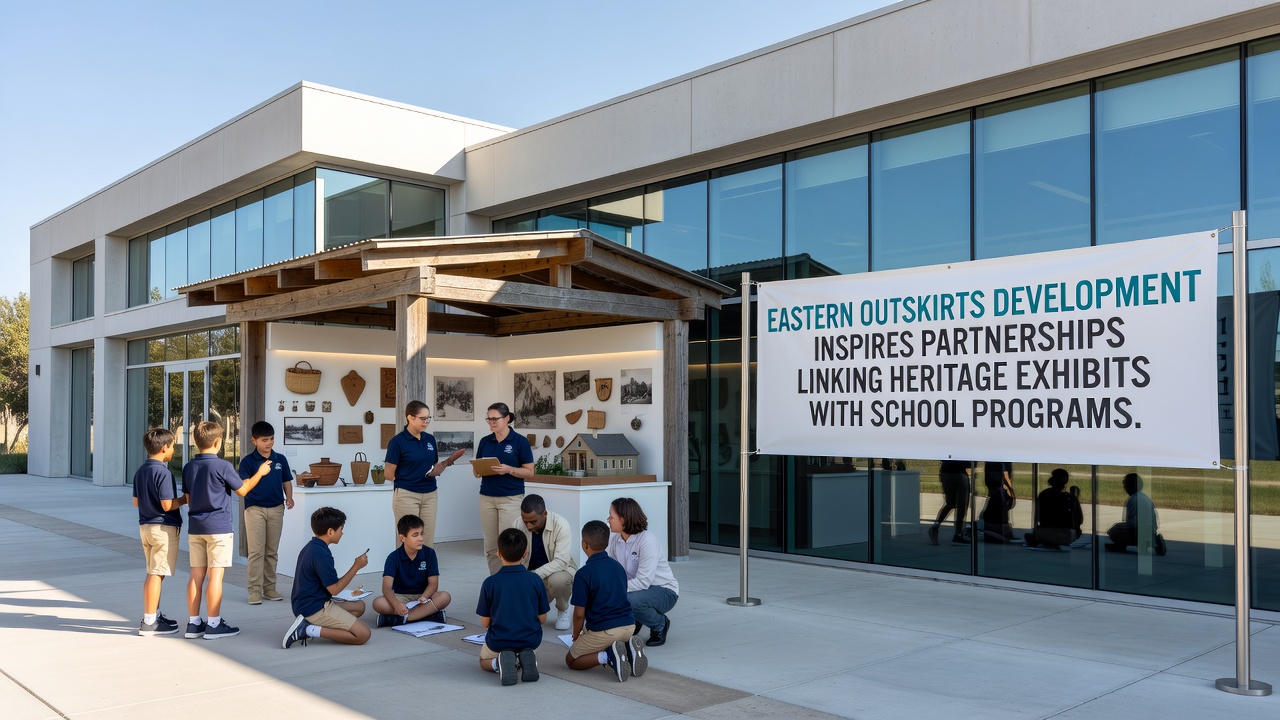
School administrators incorporated site visits and hands-on modules into standard science and social studies courses, and curriculum guides developed in collaboration with heritage staff outline lesson sequences that trace agricultural evolution from archival records to current sustainable methods.
September 2026 marked the rollout of expanded field sessions at three preserved farm locations, and schedules list weekly rotations that allow classes to observe soil sampling alongside demonstrations of water conservation systems installed as part of the broader development infrastructure.
Funding streams from municipal development bonds adn external grants supported equipment purchases including portable soil testing kits and digital mapping tools used during student activities, and allocation reports list expenditures totaling 2.3 million euros through mid-2026.
Sustainable Farming Techniques in Practice
Partner farms adopted precision irrigation and integrated pest management protocols that reduce chemical inputs by documented margins, and monitoring data collected since 2024 shows a 22 percent drop in nitrogen runoff on plots involved in the educational network.
Researchers from the European Institute for Sustainable Agriculture have tracked similar approaches across comparable projects, and their published findings highlight measurable gains in biodiversity indicators when heritage-informed practices merge with modern monitoring.
One cooperative in the eastern zone reported yields maintained at prior levels while cutting irrigation water use by 15 percent, and these results stem from techniques cross-referenced against historical records displayed in the linked exhibits.
Community open days scheduled for September 2026 will showcase student projects that combine archival research with field data on crop performance, and organizers expect attendance figures to exceed those of previous seasonal events based on pre-registration numbers.
Broader Regional Context and Outcomes
Observers note that the eastern development corridor now functions as a living laboratory where heritage preservation supports measurable agricultural improvements, and linkage metrics tracked by the Ostfeld regional office record 47 joint events held between January and August 2026.
Additional resources appear in reports from Australian Department of Agriculture on comparable heritage-farming integrations and from UNESCO education initiatives that outline frameworks for embedding local exhibits into school-based environmental programs.
Conclusion
The eastern outskirts development continues to generate structured partnerships that embed heritage exhibits within school programs while advancing sustainable farming techniques through shared data and site access, and ongoing documentation from participating organizations provides baseline figures for evaluating long-term effects on both education metrics and land management outcomes.