Avery Roth · 31 August 2026
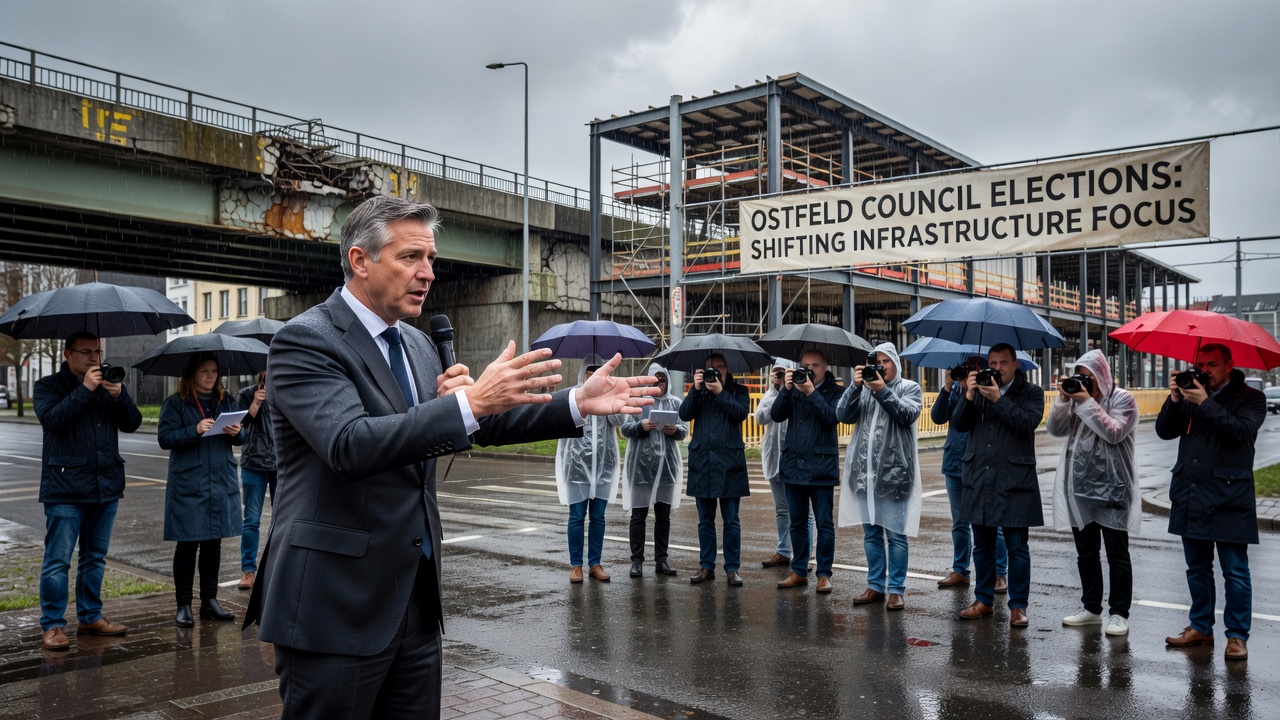
The recent council elections in Ostfeld have resulted in a major shift in the region's infrastructure priorities. The newly formed council has decided to prioritize sustainable development and digital infrastructure over traditional road expansion projects. This change reflects the electorate's growing concern for environmental issues and the need for modern connectivity solutions. Analysts suggest that voter turnout was influenced by campaigns highlighting these issues.
Focus on Sustainable Transport
Under the new agenda, significant resources will be allocated to improving public transportation systems and creating extensive cycling networks. Plans for a new ring road have been scaled back in favor of bus rapid transit lines that connect key residential areas with commercial hubs. Electric vehicle infrastructure is also receiving attention, with the installation of over 500 charging points planned across Ostfeld by the end of next year. Experts believe these measures will reduce carbon emissions by up to 20 percent within five years. Local businesses have welcomed the move, anticipating increased foot traffic from better transit access. Water and sewage upgrades are another area of emphasis, with projects aimed at enhancing resilience against climate change impacts such as flooding. The council has secured additional funding from national grants to support these initiatives. Further investments in broadband expansion will help bridge the digital divide in underserved areas.
Public Response and Implementation Challenges
Residents have expressed mixed reactions to the policy changes. While many support the environmental focus, some communities are concerned about delays in road maintenance projects that were previously scheduled. Implementation will require close coordination between various municipal departments and private contractors. The council has committed to transparent reporting on progress through quarterly updates. Long-term benefits are expected to include improved quality of life and economic growth driven by innovation in green technologies. Overall, the elections have marked a turning point in how Ostfeld approaches its development challenges. Analysts note that similar shifts have occurred in neighboring regions with positive outcomes for local economies. The Ostfeld council is also exploring partnerships with technology firms to implement smart city solutions that optimize traffic flow and energy use. These efforts are part of a broader strategy to position Ostfeld as a leader in sustainable regional development.