Avery Roth · 31 August 2026
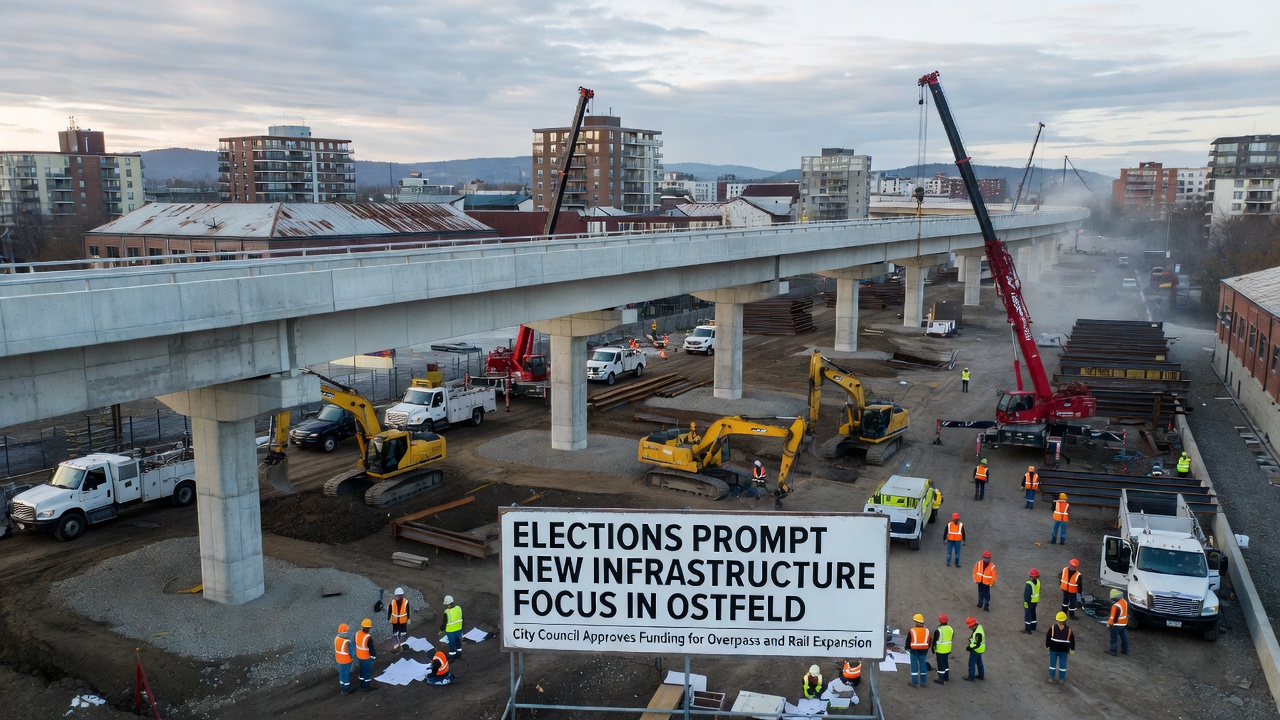
The recent council elections in Ostfeld have led to a significant shift in the region's infrastructure priorities, with the new majority emphasizing sustainable development and community-focused projects. Voter turnout reached 62 percent, reflecting strong interest in how local governance will shape future growth. Officials have begun reviewing ongoing initiatives to align them with updated goals centered on environmental responsibility and equitable access.
Shift from Major Road Expansions
Previous administrations prioritized extensive road widening to ease congestion in central districts, allocating substantial budgets to asphalt and bridge reinforcements. Post-election reviews have paused several of these projects, redirecting resources toward enhanced public transit networks and dedicated cycling corridors. Transportation analysts note that this adjustment could lower vehicle emissions by up to 18 percent within five years while improving connectivity for underserved neighborhoods. Local residents have voiced approval for safer pedestrian routes, though some business owners express concern over potential delivery delays during construction phases.
Funding reallocations include partnerships with regional transit authorities to expand bus rapid transit lines linking Ostfeld to adjacent municipalities. Studies commissioned by the council highlight reduced maintenance costs for bike infrastructure compared to traditional roadways, supporting long-term fiscal planning. Community workshops scheduled for next quarter will solicit further input on route alignments.
Focus on Green Spaces and Utilities
The updated agenda places renewed emphasis on integrating parks and recreational facilities with essential utility modernizations, such as water treatment upgrades to accommodate projected population increases. Environmental assessments now precede all major approvals, ensuring compliance with stricter sustainability standards. This approach mirrors successful models in neighboring districts where green corridors have boosted property values and public health metrics.
Economic forecasts suggest job creation in renewable energy installations and landscaping sectors, offsetting any short-term disruptions from paused highway work. Council members have pledged transparent reporting on budget adjustments, with initial reallocations totaling 4.2 million euros. Challenges include coordinating timelines across departments and addressing legacy contracts, yet early indicators point to broad resident support for the pivot toward resilient, inclusive infrastructure.
Further policy details will emerge following comprehensive audits, positioning Ostfeld for balanced growth that prioritizes livability alongside economic vitality over the coming decade.