Leon Butler · 29 October 2026
Ostfeld's Festive Traditions Fuel Integrated Strategies Linking Environmental Monitoring Efforts with Transportation Expansions and Educational Updates
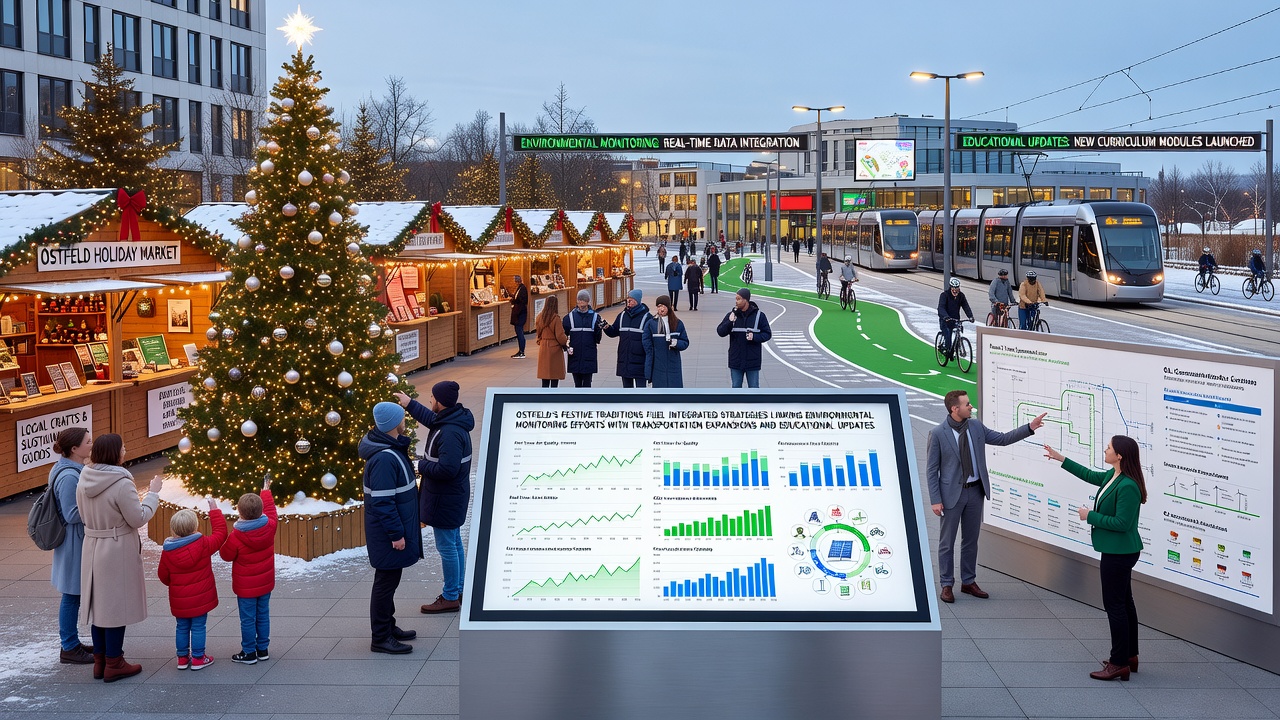
October festivals in Ostfeld have long centered on seasonal harvests and local gatherings yet in recent cycles those same events have become platforms for coordinated projects that tie environmental data collection to rail network growth and school curriculum revisions and observers note the pattern emerging clearly by 2026.
Festive Roots Meet Modern Monitoring
Harvest celebrations that once focused mainly on produce displays and music now incorporate live feeds from river sensors and air quality stations placed along festival routes and data collected during the October 2026 events will feed directly into regional reports shared with transportation planners. Researchers from the European Environment Agency have documented how such public events increase participation in monitoring programs because attendees can view real-time readings while they celebrate and the approach avoids separate outreach campaigns that often reach smaller audiences.
Local producers who set up stalls alongside these displays report steady interest from visitors who ask about soil and water metrics and those conversations have led to expanded sensor networks funded through festival revenue sharing agreements. The result is a growing dataset that covers both urban and rural zones around Ostfeld without requiring additional standalone monitoring budgets.
Transportation Expansions Gain Visibility at Events
Rail planners have used the same festival grounds to present maps of upcoming line extensions that will connect eastern outskirts developments with central stations and commuters who attend the events receive printed schedules that highlight how new routes will reduce travel times while lowering emissions per passenger. Figures released by Transport Canada show similar integration in other regions has lifted public support for expansions by double-digit margins when information is delivered at familiar community settings rather than through formal hearings alone.
During the October 2026 gatherings small-scale producers will share space with rail model displays and this arrangement lets families discuss both harvest logistics and daily commutes in one location and planners note that such overlap reduces the number of separate consultations needed before construction begins.
Educational Modules Grow from Festival Interactions
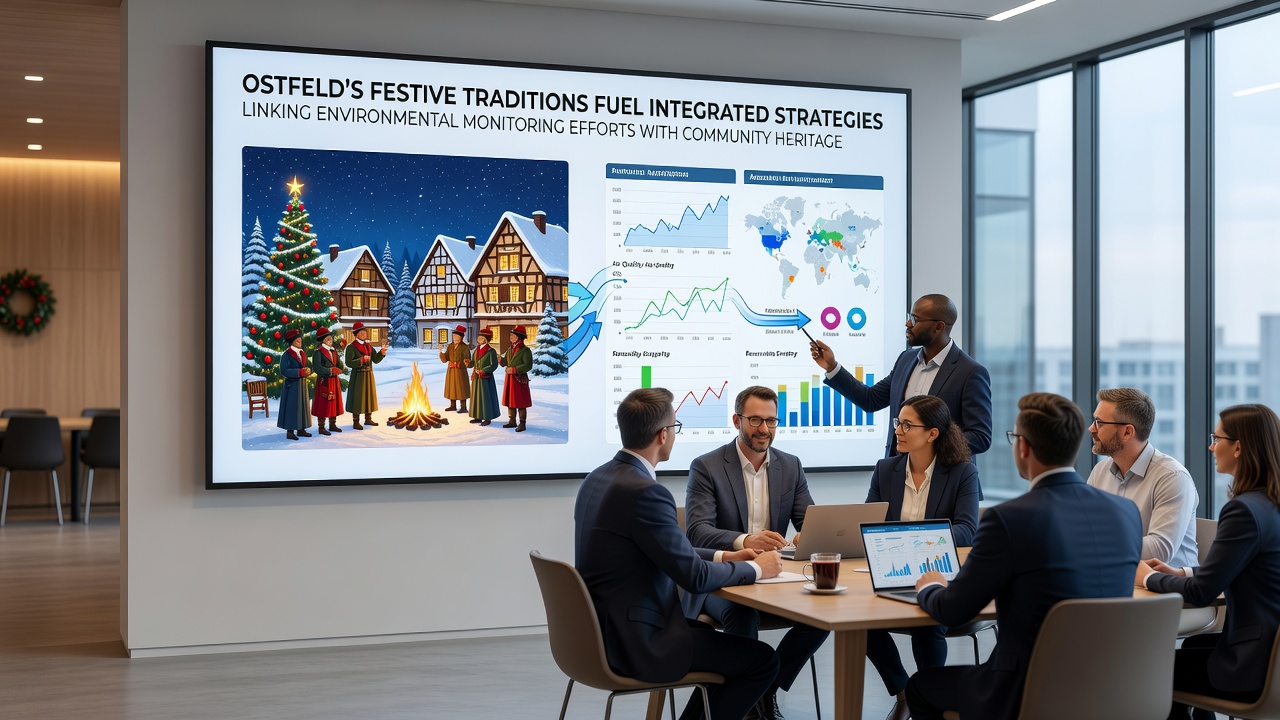
Teachers who attend the events collect sample lesson plans that connect local pollution readings with upcoming rail changes and the modules encourage students to track their own travel patterns against environmental data and one program piloted in 2025 already shows measurable gains in student understanding of regional sustainability targets. University studies from the Australian National University indicate that embedding such topics in existing community events improves retention compared with classroom-only delivery and Ostfeld educators have adapted those findings to fit local harvest themes.
Updates to the curriculum now reference specific October measurements taken at festival sites and students contribute their own observations through a shared online portal that transportation agencies also access when refining service schedules and this closed loop keeps information current without extra data collection rounds.
Integrated Planning Shows Measurable Outcomes
By linking the three areas through a single annual event series Ostfeld has cut the time between data collection and policy adjustments and records from the past two festival seasons indicate faster permitting for rail segments once environmental baselines are established at public gatherings. Partnerships formed at these events have also produced joint grant applications that fund both sensor upgrades and school equipment purchases and the combined approach spreads administrative costs across multiple departments.
Stakeholders from different sectors continue to meet at the same booths year after year which builds continuity that separate meetings rarely achieve and the October 2026 program will test an expanded version that adds heritage exhibits to the mix while keeping the core monitoring, transport, and education threads intact.
Conclusion
Ostfeld's approach demonstrates how long-standing festive traditions can serve as practical venues for coordinated progress across environmental monitoring, transportation expansions, and educational updates and the October 2026 events will provide further evidence on whether the model sustains its early momentum. Continued collection of participation numbers and outcome metrics will determine if other communities adopt similar integration methods in their own seasonal calendars.